Harbour Town's Greens Are Half the Size. That's the Whole Point.
After four days of watching golf balls roll off Augusta's glass-slick greens, the PGA Tour heads to Hilton Head Island this week for the RBC Heritage. The contrast could not be sharper. Augusta National is 7,545 yards of manicured grandeur. Harbour Town Golf Links is 7,100 yards of tight corridors, railroad ties, and greens roughly the size of your living room.
Harbour Town's greens average 3,700 square feet. The Tour average is 6,600. That's not a small difference. It's a 44 percent reduction in target area, and it turns every approach shot into a precision test that Augusta, for all its difficulty, doesn't ask.
The course demands something most modern venues don't: you have to think before you swing.
A course that shouldn't exist
Pete Dye got the commission in 1967 from Charles Fraser, the developer behind Sea Pines Resort. The land was a flat, soggy plot next to Calibogue Sound with about five feet of total elevation change. Calling it uninspiring would be generous. It was a swamp.
Jack Nicklaus, then 27 years old, signed on as a consultant. His influence on the final product was limited. What opened in 1969 was unmistakably a Dye creation, and it broke every rule the golf industry had agreed on.
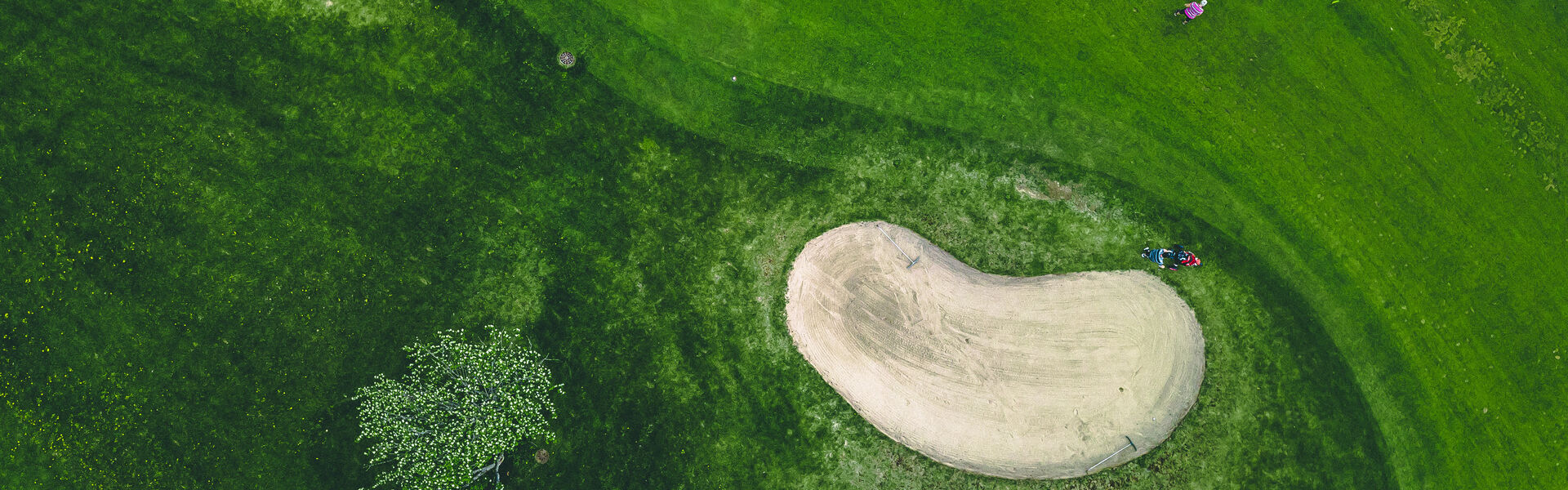
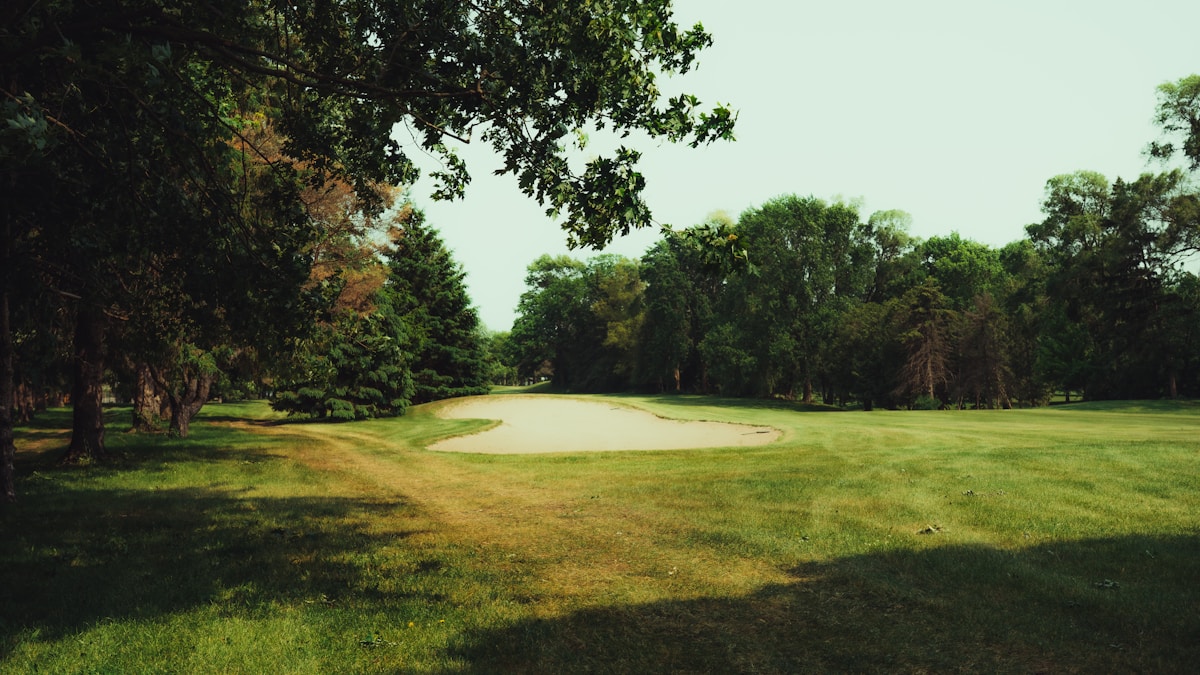
Mid-century golf architecture had settled into a formula: long holes, wide fairways, enormous greens, elevated tee boxes. Dye went the other direction. He built small greens, small bunkers, and narrow corridors lined with live oaks and Spanish moss. He introduced railroad-tie bulkheads to the sport. He built a course where a 7-iron mattered more than a driver.
Arnold Palmer won the first Heritage Classic here in November 1969, and the field griped about the course the entire week. Too weird. Too fiddly. Too different from what they were used to. Palmer loved it. So did the golf architecture world. Within a decade, Dye's approach had reshaped how courses were designed across the country.
Why small greens change the math
On a typical Tour course, pros hit about 67 percent of greens in regulation. At Harbour Town, that drops to 58 percent. Nine fewer greens per 100 approaches. That gap is enormous when you're talking about the best ball-strikers alive.
Small greens punish average iron play that big greens forgive. Hit a 7-iron that's slightly fat from 165 yards, and on most Tour courses, you're on the front edge with a long putt. At Harbour Town, you're short, in a Pete Dye bunker with a railroad-tie lip, trying to save par.
The greens here also slope and shed. They're dome-shaped, meaning a ball that lands on the surface but away from the center tends to roll off the edges. Approach shots need to carry the right distance, on the right line, with the right spin. There's no bail-out zone. You either hit the green or you're scrambling.
This is why strokes gained approach predicts Heritage winners better than any other stat. Over the last six years, the top-five finishers gained almost three times more strokes on approach than off the tee or around the green. The last five winners ranked 5th, 1st, 7th, 10th, and 2nd in the field for strokes gained approach during their winning weeks.
No place to hide for the bombers
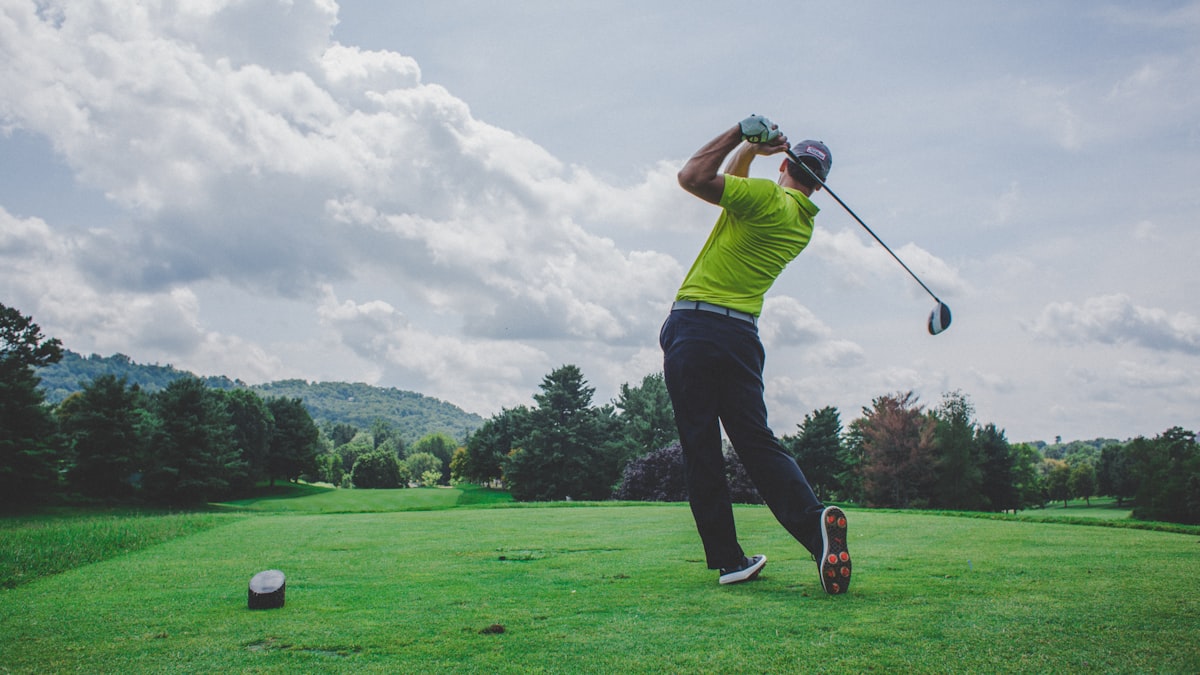
Harbour Town doesn't have a single par 4 over 480 yards. The three par 5s are reachable in two for most of the field. This isn't a course that rewards 320-yard drives. It rewards 295-yard drives that find a specific 25-yard window in the fairway.
The tree-lined corridors create visual pressure that numbers can't capture. Standing on the tee, the fairways look narrower than they measure. The oaks lean in. The Spanish moss hangs like curtains. You see the trouble before you see the target, and that framing affects shot selection even for players who know the course well.
Players who bomb it at most venues often pull driver here anyway, then face awkward angles into tiny greens from the rough. The smarter play on most holes is a 3-wood or hybrid off the tee, leaving 150 yards from the fairway instead of 115 from behind a tree. Harbour Town rewards the player who accepts a longer approach in exchange for a better angle.
Scottie Scheffler won here in 2024. Matt Fitzpatrick won in 2023. Justin Thomas is the defending champion. These are precise ball-strikers, not one-dimensional power players. The course selects for a specific skill set, and the field this week reflects it.
The 18th: Pete Dye's closing argument
The 18th at Harbour Town is one of the most photographed holes in American golf, and for good reason. A 472-yard par 4 that hugs the Calibogue Sound, bending left toward the iconic red-and-white lighthouse.
But it's more than a pretty backdrop. The hole demands a draw off the tee to follow the dogleg, a precise approach over water to a green with the Sound lurking left and bunkers guarding right. The wind off the water swirls and shifts. The green slopes from back to front. In tournament conditions, it consistently ranks among the hardest closing holes on Tour.
It also captures everything Dye was trying to say with the course. No tricks. No gimmicks. Just a hole that asks: can you shape the ball both directions, manage the wind, pick the right club, and execute under pressure? If the answer is yes, birdie is there. If not, bogey comes fast.
What amateurs should steal from Harbour Town
You don't play Harbour Town every day, but you can borrow its logic.
First, play to the fat part of the green. Tour pros at Harbour Town aim at the center of the green more often than at any other Signature Event. Not because they lack skill, but because the risk-reward math on tiny greens points clearly toward the middle. If center-green is good enough for Scottie Scheffler at Harbour Town, it's good enough for you at your home course.
Second, choose accuracy over distance off the tee. Hit the club you can keep in play 80 percent of the time, even if it costs 20 yards. A 160-yard approach from the fairway beats a 130-yard approach from the trees, every time. Harbour Town proves this at the highest level every April.
Third, practice your 150-170 yard approaches more than your driver. That range is where scoring happens at Harbour Town, and it's where scoring happens at most courses amateurs play. Your 7-iron and 8-iron are the clubs you should know cold. That means knowing your carry distances, not total distances, and knowing how the ball reacts when you miss it slightly left or right.
This week's watch list
Scheffler enters as the favorite despite a Masters that ended one shot short. He's the best iron player on Tour, and Harbour Town is built for his game. But watch Russell Henley, who has been sharp all spring and owns the kind of controlled ball flight this course rewards. Collin Morikawa, whose approach play peaked in 2024 and has quietly returned to form, is another name worth following.
The 2025 restoration brought the course back closer to Dye's original vision, tightening some fairways and reshaping bunkers that had softened over the decades. Players who relied on course memory from previous years may find a few surprises.
The RBC Heritage doesn't carry the drama of Augusta. It doesn't need to. Harbour Town asks a different question than most modern courses, one that Pete Dye first posed 57 years ago on a piece of swampland that nobody thought could hold a golf course: can you control the ball, or just hit it far?
This week, we'll find out who has the answer.